Key takeaways
- Vraylar (cariprazine) is a prescription drug used to treat certain mental health conditions, such as bipolar disorder and depression.
- Vraylar comes as a capsule that you’ll swallow once daily. Depending on the condition you’re taking it to treat, your doctor may prescribe Vraylar alone or with another medication.
- Vraylar’s cost can depend on several factors, including the pharmacy you use, whether or not you have insurance, and whether you qualify for any savings programs.
Vraylar is a prescription drug used to treat the following mental health conditions:
- mixed or manic episodes in adults with bipolar I disorder
- major depressive disorder (depression) in adults, when prescribed in combination with an antidepressant
- bipolar depression in adults with bipolar I disorder
- schizophrenia in adults
To learn more about Vraylar’s uses, see the “What is Vraylar used for?” section.
Vraylar basics
Vraylar contains the active ingredient cariprazine. (An active ingredient is what makes a drug work.)
Vraylar is an atypical antipsychotic, which is a kind of antipsychotic drug. It’s a brand-name medication, and it’s not available in a generic version.
Vraylar is used to treat the following mental health conditions:
- mixed or manic episodes in adults with bipolar I disorder
- bipolar depression in adults with bipolar I disorder
- major depressive disorder (depression) in adults
- schizophrenia in adults
What is Vraylar’s mechanism of action?
Vraylar’s mechanism of action (how it works) isn’t clear. The drug is thought to affect the activity of two brain chemicals, dopamine and serotonin. These brain chemicals are involved in regulating your mood, thoughts, and behaviors.
By affecting dopamine and serotonin, Vraylar may help ease the symptoms of the conditions it treats.
Like most drugs, Vraylar may cause mild or serious side effects. The following lists describe some of the more common side effects of Vraylar. These lists don’t include all possible side effects.
Keep in mind that side effects of a drug can depend on:
- your age
- other health conditions you have
- other medications you take
Your doctor or pharmacist can tell you more about the potential side effects of Vraylar. They can also suggest ways to help reduce side effects.
Mild side effects
Here’s a short list of some of the mild side effects that Vraylar can cause. To learn about other mild side effects, talk with your doctor or pharmacist, or read Vraylar’s prescribing information.
Mild side effects of Vraylar that have been reported include:
- akathisia (feeling restless and an intense urge to move around, mainly in your legs)
- feeling sleepy or tired
- nausea and vomiting
- movements that are slow or more difficult than usual
- muscle stiffness
- tremors (repeated movements of a body part that you can’t control)
- increased saliva (drool)
- upset stomach
- headache
- constipation
- dizziness
- weight gain
Mild side effects of many drugs may go away within a few days to a couple of weeks. But if they become bothersome, talk with your doctor or pharmacist.
Serious side effects
Serious side effects of Vraylar can occur, but they aren’t common. If you have serious side effects from Vraylar, call your doctor right away. But if you think you’re having a medical emergency, you should call 911 or your local emergency number.
Serious side effects of Vraylar that have been reported include:
- tardive dyskinesia (random movements of your tongue, head, neck, legs, or arms that you can’t control)
- risk of falling due to movement problems or dizziness
- seizures
- trouble swallowing
- increased risk of heatstroke or overheating due to problems regulating your body temperature
- orthostatic hypotension (a drop in blood pressure upon standing or sitting up)
- changes in your blood test results, including:
- low white blood cell count
- high cholesterol or triglyceride level
- high blood sugar level, which may lead to diabetes
- neuroleptic malignant syndrome (a serious reaction that occurs in rare cases with antipsychotic drugs)
- boxed warnings:
- risk of suicidal thoughts and behaviors in young adults and children
- increased risk of death in older adults with psychosis related to dementia
Allergic reaction
For some people, Vraylar can cause an allergic reaction. But it’s not clear how often this side effect occurred in the drug’s studies.
In general, symptoms of allergic reaction can be mild or serious.
What might help?
If you have mild symptoms of an allergic reaction, such as a mild rash, call your doctor right away. They may suggest a treatment to manage your symptoms and can determine whether you should keep taking Vraylar.
If you have symptoms of a severe allergic reaction, such as swelling or trouble breathing, call 911 or your local emergency number right away. These symptoms could be life threatening and require immediate medical care.
If your doctor confirms you’ve had a serious allergic reaction to Vraylar, they may have you switch to a different treatment.
Do Vraylar’s side effects go away?
Some side effects of Vraylar should go away with time. Others may be long term.
Keep in mind that Vraylar takes a long time to build up in your system. Because of this, certain side effects may take a while to appear and also to go away.
Short-term side effects
Certain mild side effects of Vraylar usually last a few weeks to months. Examples of these short-term side effects include nausea, upset stomach, headache, and feeling sleepy. Over time, these side effects should ease as your body gets used to the drug. Short-term side effects may return for a time if your doctor increases your dosage.
Long-term side effects
Some side effects of Vraylar are long term, but they can be managed. Your doctor will monitor you and prescribe treatments as necessary. Examples of these side effects and treatments include:
- high blood sugar levels, which may be treated with metformin (Fortamet, Glumetza), insulin, or other diabetes medications
- high cholesterol or triglyceride levels, which may be treated with statins, such as atorvastatin (Lipitor) or fibrates, such as fenofibrate (Triglide, Tricor)
Akathisia: One of the more common side effects of Vraylar is a movement disorder called akathisia. With akathisia, you feel restless and have an intense urge to move constantly, mainly in your legs. Tell your doctor if you notice this side effect, which may be short or long term. They may decrease your dosage or have you stop taking the drug.
Tardive dyskinesia: Another possible long-term side effect of Vraylar is tardive dyskinesia. It involves random movements of your tongue, head, neck, legs, or arms that you can’t control. Tardive dyskinesia is a side effect that can occur after you have taken Vraylar for a long time or after you have stopped taking the drug.
Other long-term side effects of Vraylar are possible. If you have questions about your risk of side effects from the medication, talk with your doctor.
Side effect focus
Learn more about some of the side effects that Vraylar may cause.
Boxed warnings
Vraylar has boxed warnings. A boxed warning is a serious warning from the Food and Drug Administration (FDA).
Risk of suicidal thoughts and behaviors in young adults and children: Young adults (ages 24 years and younger) and children who take antidepressants have an increased risk of suicidal thoughts and behaviors. Vraylar has effects that are similar to antidepressants, which is why it’s used to treat bipolar depression and major depressive disorder (depression).
As a result, the drug has this boxed warning. The risk of this side effect is highest for people who recently started taking Vraylar or recently had their dosage changed. It’s important to note that Vraylar is not prescribed for children.
Increased risk of death in older adults with psychosis related to dementia: Antipsychotic use is linked to an increased risk of death in older adults (ages 65 years and older) with psychosis that’s related to dementia. (Psychosis is a loss of awareness of reality. Dementia refers to problems with thinking, memory, and communication.)
Vraylar belongs to a group of drugs called antipsychotics. (Specifically, it’s an atypical antipsychotic.) These medications are known to increase the risk of death in older adults with psychosis that’s related to dementia.
Antipsychotics can also increase the risk of stroke in people with psychosis related to dementia. And in some cases, stroke can lead to death. Symptoms of stroke include:
- weakness on one side of the body, usually in the face, arm, or leg
- headache
- slurred speech
- trouble seeing or walking
What might help
If you’re age 65 years or older and have psychosis related to dementia, your doctor will likely not prescribe Vraylar. They can tell you about other treatment options that may be safer.
If you have symptoms of stroke while taking Vraylar, call 911 or your local emergency number right away.
If you’re age 24 years or younger, your doctor will monitor you very closely if they prescribe Vraylar. You, your family, your friends, and your doctor should watch for any symptoms of depression or suicidal behavior. You or your loved ones should talk with your doctor right away if you have thoughts of harming yourself.
If you have questions about whether Vraylar is safe for you, talk with your doctor.
Help is out there
If you or someone you know is in crisis and considering suicide or self-harm, please seek support:
- Call or text the 988 Suicide and Crisis Lifeline at 988 or chat at 988lifeline.org. Caring counselors are available to listen and provide free and confidential support 24/7.
- Text HOME to the Crisis Text Line at 741741 to connect with a volunteer crisis counselor for free and confidential support 24/7.
- Not in the United States? Find a helpline in your country with Befrienders Worldwide.
- Call 911 or your local emergency services number if you feel safe to do so.
If you’re calling on behalf of someone else, stay with them until help arrives. You may remove weapons or substances that can cause harm if you can do so safely.
If you’re not in the same household, stay on the phone with them until help arrives.
Weight gain
Weight gain is a possible side effect of Vraylar.
Vraylar is an atypical antipsychotic belonging to a group of drugs called antipsychotics. These drugs are known to cause changes in your metabolism (the way your body converts calories to energy). These changes can lead to weight gain in some people.
In Vraylar’s studies, weight gain was more common in people who took the drug to treat schizophrenia. This was compared with people who took Vraylar to treat major depressive disorder (depression),* bipolar depression, or mixed or manic episodes of bipolar I disorder.
* For this use, Vraylar is taken together with an antidepressant.
What might help
Your doctor will monitor your weight regularly while you take Vraylar.
Being physically active can help you reach or maintain a moderate weight. But before starting a new workout routine, talk with your doctor. Vraylar may cause problems with regulating body temperature. Too much exercise, especially in hot weather, may raise your risk of heatstroke or overheating while taking Vraylar.
To help prevent or limit weight gain, it’s also important to eat a balanced diet. This may include consuming fewer processed foods, sweets, and fried foods. Consider talking with a registered dietitian to learn more about a balanced diet that’s right for you.
Your doctor will recommend the dosage of Vraylar that’s right for you. The following are commonly used dosages, but always take the dosage that your doctor prescribes.
Vraylar form
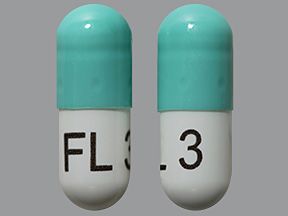
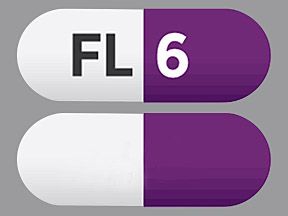
Vraylar comes as a capsule that you swallow.
Vraylar strengths
Vraylar capsules come in four strengths: 1.5 milligrams (mg), 3 mg, 4.5 mg, and 6 mg.
Recommended dosage
You’ll take Vraylar once daily, with or without food.
Doctors usually prescribe a low starting dose of Vraylar. Then, they may increase your dosage over time until they find the dosage that’s right for you. It’s important not to take more than the maximum dose of Vraylar that your doctor prescribes.
It’s important not to take more than the maximum dose of Vraylar that your doctor prescribes.
See this article for more detailed information about Vraylar’s recommended dosages.
Dosage for mixed or manic episodes of bipolar I disorder
For mixed or manic episodes of bipolar I disorder, you’ll take 1.5 mg of Vraylar on the first day of treatment. On the second day, you’ll take 3 mg. Your doctor may increase your dosage further if needed. The maximum daily dose of Vraylar for treating mixed or manic episodes of bipolar I disorder is 6 mg.
Dosage for major depressive disorder (depression)
For major depressive disorder (depression), you’ll start by taking 1.5 mg of Vraylar once daily. After 14 days, your doctor may increase your dosage to 3 mg once daily. This depends on how well the drug is working to ease your symptoms. The maximum daily dose of Vraylar for treating depression is 3 mg.
Dosage for bipolar depression
For bipolar depression in bipolar I disorder, you’ll start by taking 1.5 mg of Vraylar once daily. After 14 days, your doctor may increase your dosage to 3 mg once daily. This depends on how well the drug is working to ease your symptoms. The maximum daily dose of Vraylar for treating bipolar depression is 3 mg.
Dosage for schizophrenia
For schizophrenia, you’ll take 1.5 mg of Vraylar on the first day of treatment. Your doctor may increase your dose to 3 mg on the second day, with additional increases if needed. The maximum daily dose of Vraylar for treating mixed or manic episodes of bipolar I disorder is 6 mg.
Taking Vraylar with other drugs
It’s common for doctors to prescribe Vraylar along with other kinds of medications. These can vary, depending on the condition being treated. Some examples include:
- antidepressants, such as bupropion (Wellbutrin SR and Wellbutrin XL)
- other antipsychotics, such as risperidone (Risperdal)
- mood stabilizers, such as lithium
- anticonvulsants, such as lamotrigine (Lamictal)
If you have questions about taking Vraylar with other drugs, talk with your doctor or pharmacist.
Questions about taking Vraylar
Here are some questions you may have about Vraylar’s dosage and their answers.
- What if I miss a dose of Vraylar? If you miss a dose of Vraylar, take it as soon as you can, unless it’s almost time for your next dose. In this case, skip the missed dose. Then take your next dose at the usual time. You should not take two doses at once to make up for a missed dose. To help make sure that you don’t miss a dose, try setting an alarm or using a reminder app on your phone.
- Will I need to take Vraylar long term? Vraylar may be used as a long- or short-term treatment. It’s meant to be used as a long-term treatment for schizophrenia, bipolar depression, and depression. When it’s used to treat mixed or manic episodes of bipolar I disorder, Vraylar is used short term. After your symptoms ease, your doctor may prescribe a different medication for long-term use. In studies of people who took Vraylar to treat mixed or manic episodes, the drug was taken for 6 weeks.
- Can Vraylar capsules be opened, chewed, or split? Vraylar comes as a capsule that you take by mouth. It’s meant to be swallowed whole. It is not known whether it’s safe to open the capsules. If you have trouble swallowing pills, talk with your doctor. They may suggest a different treatment option.
- Should I take Vraylar with food? Food doesn’t affect Vraylar. You may take your doses with or without food.
Get answers to some common questions about Vraylar.
Does stopping Vraylar cause withdrawal symptoms? Can you stop taking it ‘cold turkey’?
No, stopping Vraylar shouldn’t cause withdrawal symptoms. This includes stopping treatment “cold turkey.” The drug’s effects take a while to wear off after your last dose. (For more information about this, see the previous question.)
Stopping Vraylar treatment can cause the symptoms of your condition to return or worsen. Some people may need to receive care in the hospital if their symptoms become severe.
Keep in mind that you should not stop taking Vraylar on your own. Be sure to talk with your doctor before changing or stopping any treatment.
Is there an interaction between Vraylar and caffeine?
No, caffeine does not interact with Vraylar. Caffeine is a stimulant in coffee, tea, and some other beverages and foods.
Caffeine does interact with lithium, a drug that your doctor may prescribe along with Vraylar for bipolar I disorder. Caffeine can make lithium less effective than usual.
Keep in mind that consuming a lot of caffeine when you have a mental health condition may cause or worsen certain symptoms. These can include anxiety, mania (high mood), and insomnia (trouble sleeping).
You may wish to consider limiting caffeine during treatment for a mental health condition. If you have questions about consuming caffeine with Vraylar, talk with your doctor.
Is Vraylar similar to alternative drugs, such as Rexulti and Seroquel?
Yes. Vraylar, brexpiprazole (Rexulti), and quetiapine (Seroquel) are similar. They are all atypical antipsychotics, and they have some similar uses and potential side effects.
All of these drugs are used to treat certain mental health conditions. Vraylar is only used in adults. Rexulti and Seroquel are used in adults and, for certain conditions, in some children.
To find out the other ways that these drugs are alike and different, talk with your doctor or pharmacist.
Does Vraylar treat anxiety or borderline personality disorder?
No, Vraylar is not used to treat anxiety disorders. It’s also not used to treat borderline personality disorder. The Food and Drug Administration (FDA) has not approved this drug to treat these conditions.
Vraylar is approved to treat mixed or manic episodes of bipolar I disorder. The drug is also approved to treat schizophrenia, bipolar depression in bipolar I disorder, and depression. To learn about Vraylar’s approved uses, see the “What is Vraylar used for?” section.
If you’re looking for potential treatment options for anxiety or borderline personality disorder, talk with your doctor.
Is Vraylar an SSRI? Also, is it a controlled substance?
No, Vraylar is not a selective serotonin reuptake inhibitor (SSRI). SSRIs are antidepressants that are used to treat depression and anxiety disorders, among other uses. Vraylar is a kind of drug called an atypical antipsychotic. Vraylar does have some similar effects to an antidepressant and can be used to treat depression. But it does not work the same way as SSRIs do.
Vraylar is also not a controlled substance. A controlled substance is a drug that has a high potential for being misused or causing dependence. Misuse refers to taking a drug in a way other than how your doctor prescribed it, such as taking too much of it. And being dependent on a drug means your body needs it to feel as you usually do.
Because of these risks, the government has created special rules that limit the prescribing and dispensing of controlled substances. But these risks and rules do not apply to Vraylar.
Vraylar’s cost can depend on many factors, including your insurance plan coverage and the pharmacy you use.
If you have questions about how to pay for your prescription, talk with your doctor or pharmacist. You can also visit the Vraylar drugmaker’s website to see if it has support options.
You may wonder how Vraylar and Caplyta compare. Here are some key features of these medications.
| Vraylar | Caplyta | |
|---|---|---|
| Uses | • mixed or manic episodes in adults with bipolar I disorder • bipolar depression in adults with bipolar I disorder • major depressive disorder (depression) in adults* • schizophrenia in adults | • bipolar depression in adults with bipolar I disorder or bipolar II disorder • schizophrenia in adults |
| Active ingredient | cariprazine | lumateperone |
| Form | capsules you’ll swallow | capsules you’ll swallow |
* For this use, Vraylar is taken together with an antidepressant.
These medications contain different active ingredients, so their side effects vary. That said, both Vraylar and Caplyta have a boxed warning for risk of suicidal thoughts and behaviors in young adults and children. They also have a boxed warning for an increased risk of death in older adults with psychosis related to dementia. Boxed warnings are serious warnings from the Food and Drug Administration (FDA).
See this article for more information about these boxed warnings and other side effects of Vraylar. Read this article on Caplyta’s side effects to learn more.
Recommended dosages also differ between Vraylar and Caplyta. But both drugs are taken once each day. Check out this detailed overview of Vraylar’s dosage to learn more. You can also view this summary of Caplyta’s dosing information.
If you’d like to know more about these medications, talk with your doctor. They can recommend which drug may be right for you.
See this article if you’d like to know how Vraylar and Abilify compare. You can also talk with your doctor about which drug is right for you.
Here’s a summary of some key features of these medications.
| Vraylar | Abilify | |
|---|---|---|
| Uses | • mixed or manic episodes in adults with bipolar I disorder • bipolar depression in adults with bipolar I disorder • major depressive disorder (depression) in adults* • schizophrenia in adults | • manic and mixed episodes related to bipolar I disorder in adults and some children • depression in adults* • irritability related to autism spectrum disorder in some children • schizophrenia in adults and some children • Tourette syndrome in some children |
| Active ingredient | cariprazine | aripiprazole |
| Form | capsules you’ll swallow | tablets you’ll swallow |
* For treating depression, Vraylar and Abilify are taken together with an antidepressant.
Check out the “Vraylar vs. Latuda” section of this article for a detailed comparison of Vraylar and Latuda. To learn more and find out which drug is right for your condition, ask your doctor.
Here’s a summary of some key features of these medications.
| Vraylar | Latuda | |
|---|---|---|
| Uses | • mixed or manic episodes in adults with bipolar I disorder • bipolar depression in adults with bipolar I disorder • major depressive disorder (depression) in adults* • schizophrenia in adults | • bipolar depression in adults and some children with bipolar I disorder† • schizophrenia in adults and some children |
| Active ingredient | cariprazine | lurasidone |
| Form | capsules you’ll swallow | tablets you’ll swallow |
* For this use, Vraylar is taken together with an antidepressant.
† For this use, in addition to taking Latuda alone, adults may take the drug together with lithium or valproate.
There are several important things to discuss with your doctor when considering Vraylar treatment. These include your overall health, any medications or supplements you take, and any medical conditions you have.
Interactions
Taking a medication with certain vaccines, foods, and other things can affect how the medication works. These effects are called interactions.
Before taking Vraylar, be sure to tell your doctor about all the medications you take, including prescription and over-the-counter types. Also describe any vitamins, herbs, or supplements you use. Your doctor or pharmacist can tell you about any interactions these items may cause with Vraylar.
For more information, see this in-depth article about Vraylar and interactions.
Interactions with drugs or supplements
Vraylar can interact with several medications. Some examples of these drugs include:
- certain antifungal drugs, such as ketoconazole
- certain seizure medications, such as carbamazepine (Tegretol, Equetro) or phenytoin (Dilantin, Phenytek)
- certain antibiotic drugs, such as rifampin (Rifadin) or clarithromycin
This list does not contain all types of drugs that may interact with Vraylar. Your doctor or pharmacist can tell you more about these interactions and any others that may occur.
Boxed warnings
Vraylar has boxed warnings. A boxed warning is a serious warning from the Food and Drug Administration (FDA).
Risk of suicidal thoughts and behaviors in young adults and children: Young adults (ages 24 years and younger) and children who take antidepressants have an increased risk of suicidal thoughts and behaviors. Vraylar has effects that are similar to antidepressants, which is why it’s used to treat bipolar depression and major depressive disorder (depression).
As a result, the drug has this boxed warning. The risk of this side effect is highest for people who recently started taking Vraylar or recently had their dosage changed. It’s important to note that Vraylar is not prescribed for children.
If you’re age 24 years or younger, your doctor will monitor you very closely if they prescribe Vraylar. You, your family, your friends, and your doctor should watch for any symptoms of depression or suicidal behavior. You or your loved ones should talk with your doctor right away if you have thoughts of harming yourself.
Increased risk of death in older adults with dementia-related psychosis: Antipsychotic use is linked to an increased risk of death in older adults (ages 65 years and older) with dementia-related psychosis.
Vraylar belongs to a group of drugs called antipsychotics. These medications are known to increase the risk of death in older adults who also have psychosis related to dementia.
If you’re an older adult with this type of psychosis, your doctor will likely not prescribe Vraylar. They can tell you about other treatment options that may be safer.
Help is out there
If you or someone you know is in crisis and considering suicide or self-harm, please seek support:
- Call or text the 988 Suicide and Crisis Lifeline at 988 or chat at 988lifeline.org. Caring counselors are available to listen and provide free and confidential support 24/7.
- Text HOME to the Crisis Text Line at 741741 to connect with a volunteer crisis counselor for free and confidential support 24/7.
- Not in the United States? Find a helpline in your country with Befrienders Worldwide.
- Call 911 or your local emergency services number if you feel safe to do so.
If you’re calling on behalf of someone else, stay with them until help arrives. You may remove weapons or substances that can cause harm if you can do so safely.
If you’re not in the same household, stay on the phone with them until help arrives.
Other warnings
Vraylar may not be right for you if you have certain medical conditions or other factors that affect your health. Talk with your doctor about your health history before you take Vraylar. Factors to consider include those in the following list.
- diabetes
- cholesterol problems
- seizures
- age
- severe liver or kidney problems
- low white blood cell levels
- risk factors for stroke or heart disease
- high or low blood pressure
- alcohol consumption
- previous allergic reaction to Vraylar or any of its ingredients
Pregnancy and breastfeeding
If you can become pregnant, are breastfeeding, or are using birth control, it’s important to consider whether Vraylar is a safe choice for you.
You can refer to this Vraylar reproductive health article for more information. If you have additional questions, talk with your doctor.
Do not take more Vraylar than your doctor prescribes. Taking more than this may lead to serious side effects.
Symptoms of overdose
Symptoms caused by an overdose can include:
- feeling very sleepy
- orthostatic hypotension (a drop in blood pressure upon standing or sitting up)
What to do in case you take too much Vraylar
Call your doctor if you think you’ve taken too much Vraylar. You can also call 800-222-1222 to reach America’s Poison Centers, or use its online resource. However, if you have severe symptoms, immediately call 911 or your local emergency number. Or go to the nearest emergency room.
Q:
Do doctors prescribe Vraylar along with Adderall? If so, is it safe to take them at the same time?
AnonymousA:
Doctors usually do not prescribe Vraylar along with stimulant medications, such as amphetamine and dextroamphetamine (Adderall).
This is because Adderall may worsen symptoms of schizophrenia or bipolar I disorder, which Vraylar is used to treat. For example, Adderall may cause new or worsening manic episodes or disorganized speech or thoughts. (During a manic episode, you may feel “up” or extremely energetic.)
In addition, taking Adderall together with Vraylar could increase your risk of certain side effects from Vraylar. This includes akathisia, (feeling restless and an intense urge to move around, mainly in your legs). It also includes tremors (repeated movements of a body part that you can’t control).
The manufacturer of Vraylar hasn’t reported any interactions between Vraylar and Adderall. But if you take Adderall, it’s best to talk with your doctor before you start to take Vraylar. They can help determine whether it’s safe to take the drugs together. If necessary, they can suggest other treatment options.
The Healthline Pharmacist TeamAnswers represent the opinions of our medical experts. All content is strictly informational and should not be considered medical advice.Disclaimer: Healthline has made every effort to make certain that all information is factually correct, comprehensive, and up to date. However, this article should not be used as a substitute for the knowledge and expertise of a licensed healthcare professional. You should always consult your doctor or another healthcare professional before taking any medication. The drug information contained herein is subject to change and is not intended to cover all possible uses, directions, precautions, warnings, drug interactions, allergic reactions, or adverse effects. The absence of warnings or other information for a given drug does not indicate that the drug or drug combination is safe, effective, or appropriate for all patients or all specific uses.