













The Fast Facts
- Protein powders, especially when combined with resistance training, can increase muscle protein synthesis and boost muscle growth.
- The best protein powder depends on individual needs and preferences. Options include whey, casein, plant-based, and egg white — each with unique benefits and caveats such as digestibility and amino acid content.
- Momentous is our dietitian’s pick for the best protein powder to build muscle.
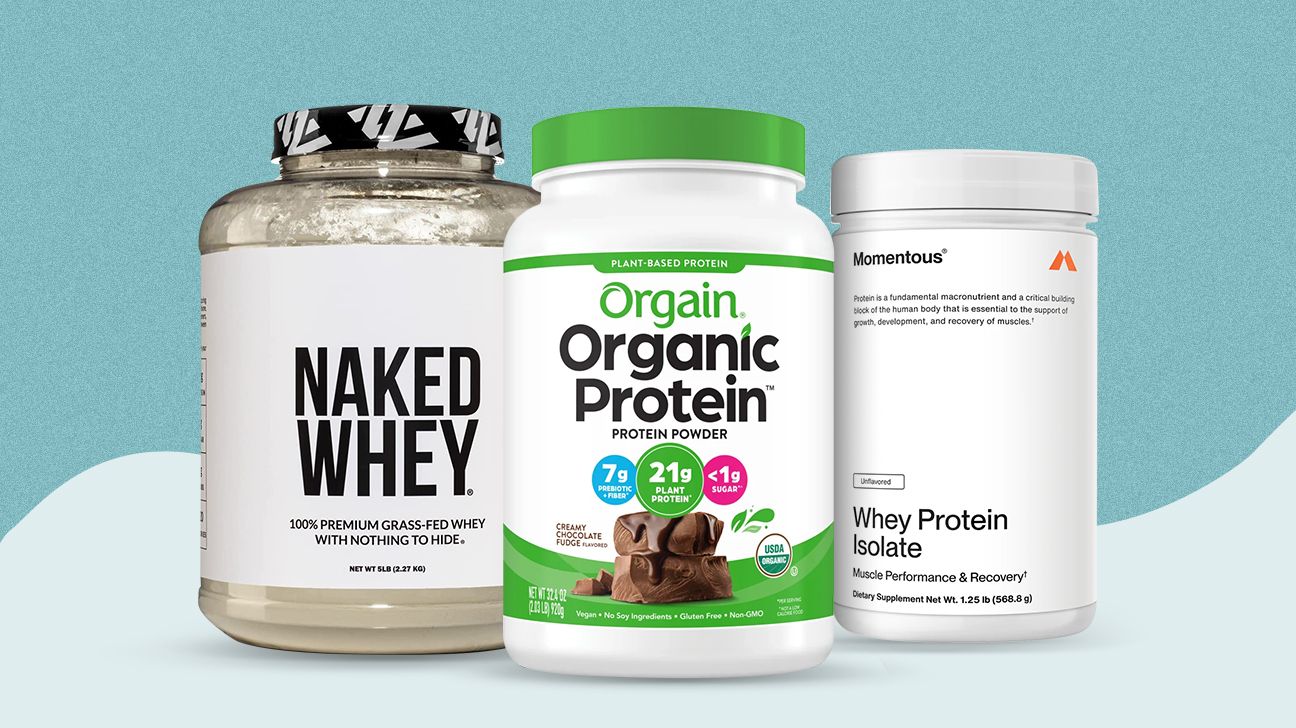
Protein powders serve as a convenient and high quality source of protein. There are seemingly endless options to choose from, which can make it difficult to determine which is best for muscle gain.
Here are our picks of the 10 best protein powders for muscle gain.
- Best vegan protein powder: Ora Organic So Lean & So Clean Plant-Based Superfood Protein | Skip to review
A note on price
Generally, prices range from $1.25 to $5.33 per serving, or $35.99 to $119.99 per tub or packet, though this may vary depending on where you shop.
Pricing guide
- $ = under $1.00 per serving
- $$ = $1 to $1.50 per serving
- $$$ = $1.51 to $2 per serving
- $$$$ = over $2 per serving
Here’s a quick look at how the products compare:
(grams per serving)
• Informed Sport
• certified plant-based
• USDA organic
When looking for the best protein powders for building muscle, we considered the following criteria:
- Formulation: To support muscle gains, we selected products that contain
at least 20g of protein per serving and feature evidence-backed ingredients, including whey protein and BCAAs. - Quality: We looked for powders that are made with high quality ingredients and contain minimal additives and fillers.
- Taste: From dessert-inspired flavors to unflavored varieties, we included powders to suit a range of preferences. We also looked for products that have mostly positive reviews for taste and texture.
- Price: We considered whether the product’s quality aligns with its cost.
- Manufacturing standards: The companies included adhere to current good manufacturing practices (CGMPs) as determined by the Food and Drug Administration (FDA).
- Third-party testing: All the protein powders on our list have undergone third-party testing.
- Vetting: All the products included have been vetted to ensure that they meet Healthline’s medical and business standards. You can read more about our vetting process.
With numerous protein powders available on the market, it can be challenging to determine which one is best for building muscle.
Here are a few factors to consider:
- When will you consume it? Whey is best consumed either at the beginning or end of a workout, whereas casein is preferable for a sustained release, such as before bedtime.
- Does the company use third-party testing? Third-party testing ensures that the product is free of banned substances and harmful contaminants.
- Is the product manufactured in a CGMP-certified facility? This label ensures adherence to high manufacturing standards set by the FDA.
- Do you have any dietary restrictions? Some protein powders contain potential allergens or substances to which you may be sensitive, so it’s best to read the label carefully before purchasing.
- Are all ingredients openly listed? Some companies use proprietary blends to conceal specific ingredients and their quantities. Because of this lack of transparency, it’s best to avoid these products.
- Is it properly dosed? A good general rule is to look for a protein powder with
at least 20 g of protein per serving to promote muscle gains in combination with resistance exercise.
There are several types of protein powder available, each containing protein derived from different sources.
Some of the most common types of protein powder include:
- Whey protein: Whey is a type of protein found in milk. It’s a common ingredient in protein powders. Whey is digested and absorbed very quickly and can help
kickstart muscle repair after your workout. However, it can also contribute to digestive issues and acne for some people, especially when consumed in high amounts. - Casein protein: Casein is another milk protein, which is digested
more slowly than whey. For this reason, it’s often taken before bed to provide the body with a steady stream of amino acids overnight. Like whey, casein is not suitable for those with a dairy allergy and can cause a similar set of negative side effects. - Plant-based proteins: Many vegan protein powders contain a blend of proteins derived from ingredients like peas, brown rice, and lentils. Though plant-based proteins are often lacking in one or more of the essential amino acids your body needs, research
suggests that plant proteins can still help stimulate muscle growth. - Egg white protein: Egg white protein is high in branched-chain amino acids (BCAAs) to
support muscle growth and can be an appealing option for people who are unable to tolerate dairy-based protein powders like casein or whey. However, compared with other types of protein, it’s not as widely available and may be more expensive. - Bone broth protein: Bone broth is naturally rich in collagen, which
can increase strength and improve body composition when coupled with resistance training. On the other hand, because it’s typically made from beef or chicken bones, it’s not suitable for vegans or vegetarians.
Protein powder is used to increase your intake of protein, a nutrient that’s broken down into smaller molecules known as amino acids.
Amino acids are the building blocks of the muscles and are required to support the growth and repair of tissues.
Consuming a sufficient amount of protein before or after resistance training
It can also promote muscle protein synthesis, a metabolic process that helps your body build muscle mass.
If you’re increasing your protein intake, it’s also important to adjust the ratio of other nutrients in your diet to ensure you’re meeting bodily needs.
For example, it’s best to balance high protein foods or supplements with other nutritious ingredients at each meal, including:
- fruits
- veggies
- whole grains
- healthy fats
Rather than depending solely on supplements, you might also want to consume protein from a variety of sources, such as:
- meat
- fish
- poultry
- eggs
- dairy
- soy products
- legumes
Be sure to drink plenty of water and consume enough fiber, which can help round out your diet and prevent some of the negative side effects associated with high protein intake.
Additionally, while you don’t necessarily need to increase your carb consumption while taking protein powder, low carb intake can worsen some side effects of a high protein diet.
Side effects of too much protein
While protein is an essential part of a balanced diet, consuming excessive protein from supplements can have adverse health effects.
Some possible signs of excess protein intake include:
- weight gain
- kidney problems
- intestinal discomfort
- headaches
- nausea
- diarrhea
- dehydration
- irritation
- fatigue
If you experience any of the symptoms above after adding protein powder to your routine, it might be best to reduce your intake.
The most effective post-workout protein powders are ones that are easily digested and contain all nine essential amino acids, including adequate amounts of leucine — a branched-chain amino acid (BCAA) that’s important for muscle building.
Momentous Whey Protein Isolate is our top choice, as it contains grass-fed whey protein with all of the essential amino acids needed to support muscle gain.
Naked Whey is another solid option, which is formulated with grass-fed whey protein concentrate and includes nearly 6 g of BCAAs per serving. Both are third-party tested.
Research does support the use of protein powder, specifically after working out, for building muscle.
Some research suggests that an overall increase in protein is important for muscle gain as well. Therefore, protein powders consumed at any time — not just post-workout — can still be beneficial.
As a beginner, you can try any protein powder you’d like, but it’s a good idea to take time to read the label first to check for any allergens or unwanted ingredients. Choosing a third-party tested product is always recommended, regardless of your fitness level.
An easy way to get started is to consume a protein shake immediately after your workout to help stimulate muscle building and recovery.
Because protein powders have been studied mostly in adults, teen athletes looking to increase muscle mass can also talk with a doctor or dietitian to determine whether protein powder is suitable for them.
For some people, certain ingredients commonly found in protein powders can contribute to acne, including dairy.
If you find that dairy causes acne or breakouts for you, switching to a dairy-free protein powder — such as Ora Organic Plant-Based Superfood Protein powder — may be beneficial.
A few of the most popular alternatives available also include protein powders sourced from:
- egg whites
- bone broth
- plant-based sources like peas or brown rice
Some research also suggests that consuming a high amount of carbohydrates or foods with a high glycemic index — a measure of how much certain foods increase blood sugar levels — can also contribute to acne.
Therefore, selecting protein powders that are low in carbs or added sugar might also be a good choice to help keep skin clear.
If you’re able to tolerate dairy, the whey protein powders from Momentous and Naked are all free of added sugar and contain less than 5 g of carbs per serving.
Whether you’re sensitive to dairy or prefer following a dairy-free diet, there are plenty of high quality protein powders available.
For instance, Ora Organic Plant-Based Superfood Protein powder is derived from a blend of protein sources, including peas and acai, making it a solid choice if you’re sensitive to dairy.
The egg white and chicken bone broth protein powders from NOW are also dairy-free and rich in essential amino acids to help boost muscle gain.
While protein powder doesn’t burn fat directly, it can aid weight loss. Research suggests that protein can help increase feelings of fullness and alter levels of certain hormones that control hunger and appetite, such as ghrelin.
Protein powder can be added to smoothies and paired with other nutritious ingredients (such as fruits, veggies, and healthy fats) for a simple snack or occasional meal replacement.
However, protein powder shouldn’t be used as a substitute for a well-rounded meal plan. Be sure to enjoy protein powder in moderation alongside a variety of other nutrient-dense foods as part of a balanced diet.
Protein powder is most effective when paired with resistance training. Consuming protein before or after exercise can stimulate muscle protein synthesis, a metabolic process that promotes muscle growth.
Some athletes and recreational gym-goers have a hard time meeting their protein needs solely through whole foods.
Protein powders provide a high quality source of protein that you can take before or after workouts or between meals to promote muscle gain.
When shopping for protein powder, focus on the quality, taste, price, and manufacturing standards. For the best options, consider one of the products listed above.